Carrabba's Veal Piccata
Home reconstruction

Veal scallopine is very lean and has almost no connective tissue, which means it has no buffer. There is no fat to melt and no collagen to turn to gelatin — there is only muscle, and muscle that is cooked too long is tough.
Ninety seconds a side, in a properly hot pan. That is the whole cooking time, and going to three minutes a side makes a noticeable difference to how it eats.
Jump to the recipe ↓Carrabba's Veal Piccata
Serves 4 · Main
- Prep
- 15 min
- Cook
- 15 min
- Total
- 30 min
Moderate9 steps, a technique that commonly fails
~660 kcal per servingestimated
Ingredients
- 700 g veal escalopes
- 80 g seasoned plain flour
- 3 tbsp olive oil
- 120 ml dry white wine
- 180 ml chicken stock
- juice of 1 large lemon
- 3 tbsp capers, rinsed
- 85 g cold unsalted butter, cubed
- 2 tbsp chopped parsley
Method
- Pound the escalopes to 5 mm.
- Heat a large pan with the oil.
- Flour each cutlet as it goes in.
- A side, in batches; set aside.90 seconds
- Wine into the pan; reduce by half.
- Stock and lemon; reduce.2–3 minutes
- Capers in.
- Off the heat, whisk in the cold butter.
- Return the veal, add parsley, serve.
Pound it to 5 mm
Two reasons, and the second is the one people miss.
Even thickness means the whole piece cooks at the same rate. An unpounded cutlet has a thick end that is raw when the thin end is dry.
Broken structure. Pounding physically shortens the muscle fibres, which is what makes veal scallopine tender rather than merely thin.
Between two sheets of cling film, with a flat mallet or the base of a heavy pan. Push outwards as you strike rather than hammering straight down, which tears holes.
Flour just before it goes in the pan
Floured cutlets left sitting go damp. The flour absorbs surface moisture and turns to paste, which then does not brown — it steams and slides off.
Flour, shake off the excess, straight into the pan. If you are cooking in batches, flour each batch as it goes.
The capers need rinsing
Capers packed in brine are aggressively salty, and the sauce also contains stock, lemon and butter. Unrinsed capers push the whole thing over.
Rinse them and pat them dry. Salt-packed capers need soaking for ten minutes.
Butter at the end, off the heat
The sauce is mounted the same way as scampi: cold butter whisked into the lemon and stock base with the pan off the heat.
Melted into a hot pan, it splits and you get a greasy layer over a sharp thin liquid. Whisked in cold, it emulsifies into something glossy that coats the veal.
What you need
- 700 g veal escalopes
- 80 g plain flour, seasoned with salt and pepper
- 3 tbsp olive oil
- 120 ml dry white wine
- 180 ml chicken stock
- juice of 1 large lemon
- 3 tbsp capers, rinsed
- 85 g cold unsalted butter, cubed
- 2 tbsp chopped parsley
Method
- Pound the escalopes to 5 mm between cling film.
- Get a large pan very hot with the oil.
- Flour a cutlet, shake off the excess, and put it straight in.
- 90 seconds a side. Work in batches; do not crowd the pan. Set them aside.
- Wine into the pan, scraping the base. Reduce by half.
- Stock and lemon juice. Reduce for 2–3 minutes.
- Capers in.
- Off the heat. Whisk in the cold butter a few cubes at a time.
- Return the veal briefly to coat, add the parsley, and serve.
Do not crowd the pan
Two cutlets at a time in a normal pan. Three and the temperature drops, the veal releases water, and it steams and greys instead of browning.
The browned residue left in the pan is the base of the sauce, so this matters twice.
Chicken instead of veal
Chicken breast pounded to the same thickness works identically and is what most people will actually cook. Same timings, same technique.
Storing
It does not keep well — the sauce splits and the veal toughens on reheating. Eat it as it is made.
If you have leftovers, they are better cold the next day than reheated.
Questions people ask
How long do I cook veal escalopes?
Ninety seconds a side in a hot pan. Veal is lean with no connective tissue, so there is no margin.
Why pound it?
For even thickness, and because pounding shortens the muscle fibres, which is what makes it tender.
When should I flour it?
Immediately before it goes in the pan. Floured meat left sitting goes damp and the coating slides off.
Do I have to rinse the capers?
Yes. Brine-packed capers are very salty and the sauce already has stock and butter in it.
Why did my sauce split?
The butter went in over heat. Whisk it in cold with the pan off the heat.
Can I use chicken?
Yes, pounded to the same thickness. Identical timings and technique.
This is a home reconstruction, not Carrabba's recipe. Their formula is proprietary.
More like this
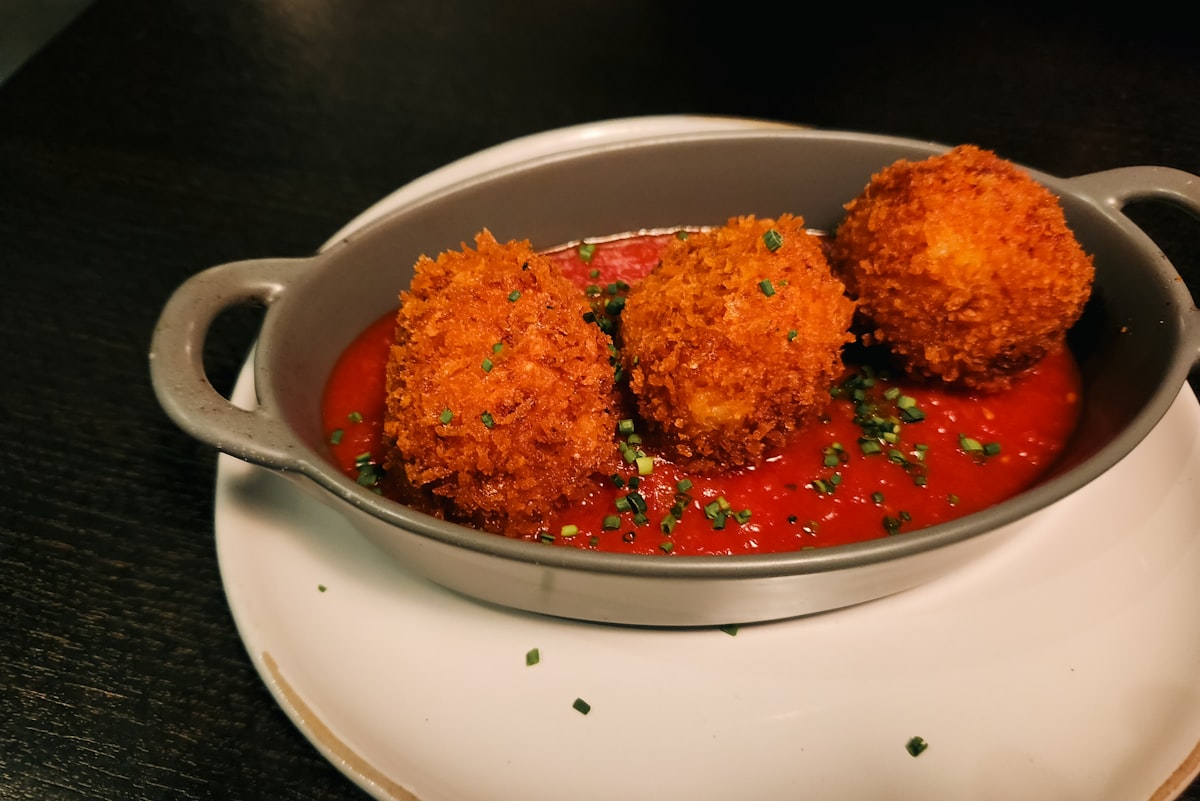 Home reconstructionCarrabba's Arancini: The Risotto Has to Be Cold and OvercookedGood risotto makes bad arancini. You need the sticky, claggy version people apologise for.
 Home reconstructionCarrabba's Fettuccine Weesie: It Is a Wine Reduction, Not an AlfredoPeople build it on a cream base and it comes out heavy and flat. The sauce starts with wine cooked down to almost nothing.
 Home reconstructionCarrabba's Lobster Ravioli: Finish the Pasta in the SauceDrained ravioli sitting under a ladle of sauce is a different dish from ravioli finished in the pan. It takes ninety seconds.