Benihana Hibachi Vegetables
Home reconstruction
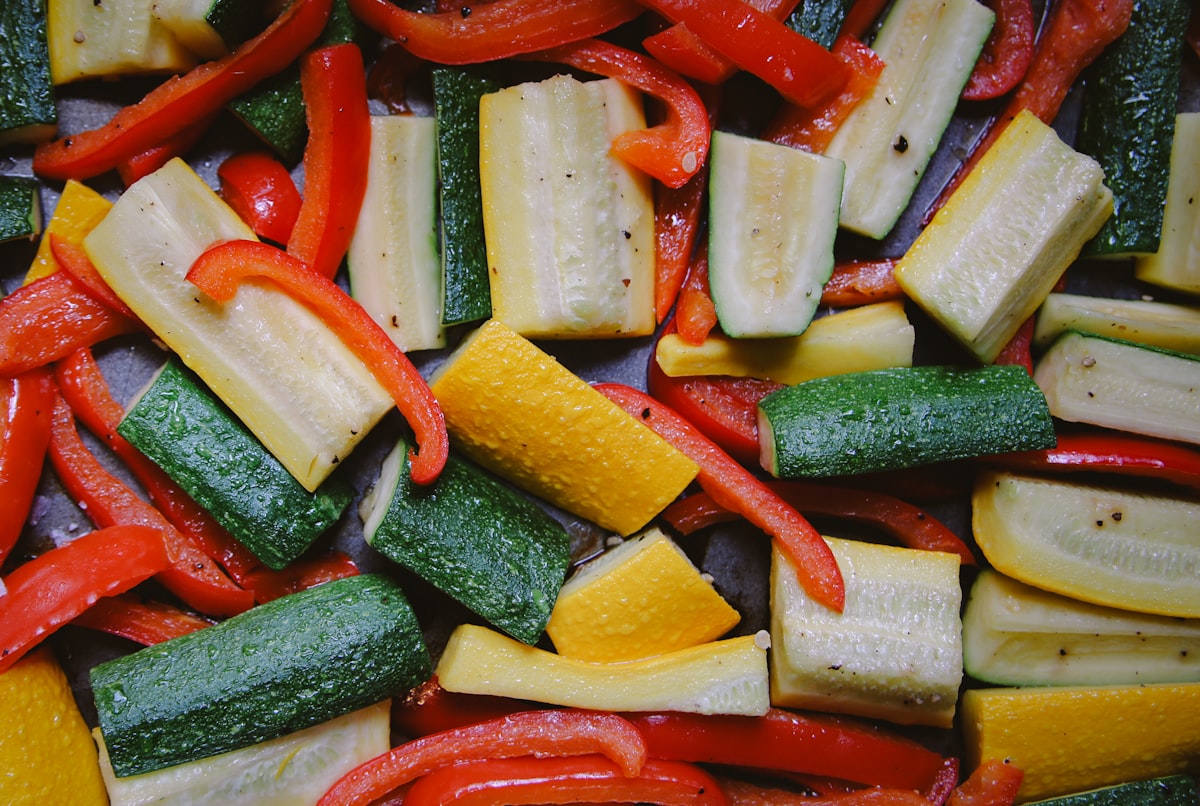
Teppanyaki vegetables look like one dish cooked in one go. On a real teppan they are not — the chef pushes each vegetable onto the hot zone at a different moment and holds the finished ones at the cooler edge.
In a home pan you reproduce that by adding them in three waves, roughly two minutes apart. Everything in at once gives you carrot that is still raw next to courgette that has collapsed.
Jump to the recipe ↓Benihana Hibachi Vegetables
Serves 4 · Side
- Prep
- 15 min
- Cook
- 10 min
- Total
- 25 min
Easy8 steps
~190 kcal per servingestimated
Ingredients
- 1 onion in thick wedges
- 2 carrots, sliced diagonally
- 2 courgettes in thick half-moons
- 200 g mushrooms, halved
- 150 g beansprouts
- 3 spring onions in 4 cm lengths
- 2 tbsp neutral oil, 2 tbsp butter
- 2 tbsp soy sauce, 1 tsp sesame oil
- 1/2 tsp black pepper, 1 tbsp sesame seeds
Method
- Cut everything before you start.
- Large pan on high with oil until shimmering.
- Onion and carrot.2 minutes
- Courgette and mushrooms.2–3 minutes
- Butter in.
- Beansprouts and spring onion.30–60 seconds
- Soy, sesame oil and pepper.30 seconds
- Sesame seeds over.
The three waves
Wave one — onion and carrot. Dense, low water content, slow to soften. They need the longest and they take the most heat without suffering.
Wave two — courgette and mushrooms. Middling. Mushrooms need enough heat to release and re-absorb their water.
Wave three — beansprouts, spring onion. Thirty seconds, effectively just warmed through.
Two minutes between waves. That is the whole technique.
Hot pan, and do not crowd it
The vegetables need to sear, not stew. That means the pan has to be genuinely hot and there has to be room.
A teppan is enormous relative to the food on it. A home frying pan is not, so either use the largest one you own or cook in two batches and combine at the end.
If the pan hisses when a vegetable lands, it is hot enough. If it sizzles gently, it is not.
The soy goes in at the end
Soy sauce is mostly water. Added early it drops the pan temperature, the vegetables start braising instead of searing, and the sugars in the soy have long enough to burn.
Last thirty seconds, tossed through, off the heat if the pan is very hot.
What you need
- 1 onion, cut into thick wedges
- 2 carrots, sliced diagonally
- 2 courgettes, in thick half-moons
- 200 g mushrooms, halved
- 150 g beansprouts
- 3 spring onions, in 4 cm lengths
- 2 tbsp neutral oil
- 2 tbsp butter
- 2 tbsp soy sauce
- 1 tsp toasted sesame oil
- 1/2 tsp black pepper
- 1 tbsp toasted sesame seeds
Method
- Cut everything before you start. **Once the pan is hot there is no time to chop.**
- Large pan on high, oil in until it shimmers.
- Wave one: onion and carrot, 2 minutes, tossing occasionally.
- Wave two: courgette and mushrooms, 2–3 minutes.
- Butter in. It browns slightly and coats everything.
- Wave three: beansprouts and spring onion, 30–60 seconds.
- Soy sauce, sesame oil and pepper. Toss for 30 seconds.
- Sesame seeds over the top.
Butter and oil together
Oil first, because it takes the high heat without burning. Butter later, for flavour and browning, once the worst of the heat has been absorbed by the food.
Butter from the start would be black by the time the carrots were done.
Cut on the diagonal
Diagonal slices give more surface area per piece than straight rounds, which means more contact with the pan and faster cooking. It is also what the restaurant version looks like.
Thick cuts, not thin. Thin vegetables in a very hot pan go from raw to limp with no useful stage in between.
Storing
Three days in the fridge. They lose all their crispness and become a decent component for fried rice, which is arguably a good outcome.
Reheat in a hot pan rather than a microwave; the microwave steams them further.
Do not freeze — the water content is too high and they turn to mush.
Questions people ask
Why add the vegetables in stages?
They cook at very different rates. All at once gives you raw carrot alongside collapsed courgette.
How hot should the pan be?
Hot enough that a vegetable hisses when it lands. A gentle sizzle means it will stew rather than sear.
Why add the soy at the end?
It is mostly water, so early it drops the pan temperature and the vegetables braise. Its sugars also burn over a long cook.
Why both oil and butter?
Oil takes the initial high heat. Butter goes in later for flavour and browning — from the start it would burn.
Can I use frozen vegetables?
They carry too much water and will steam. If you must, thaw and dry them first.
Can I make them ahead?
They keep three days but lose all crispness. They are good in fried rice afterwards.
This is a home reconstruction, not Benihana's recipe.
More like this
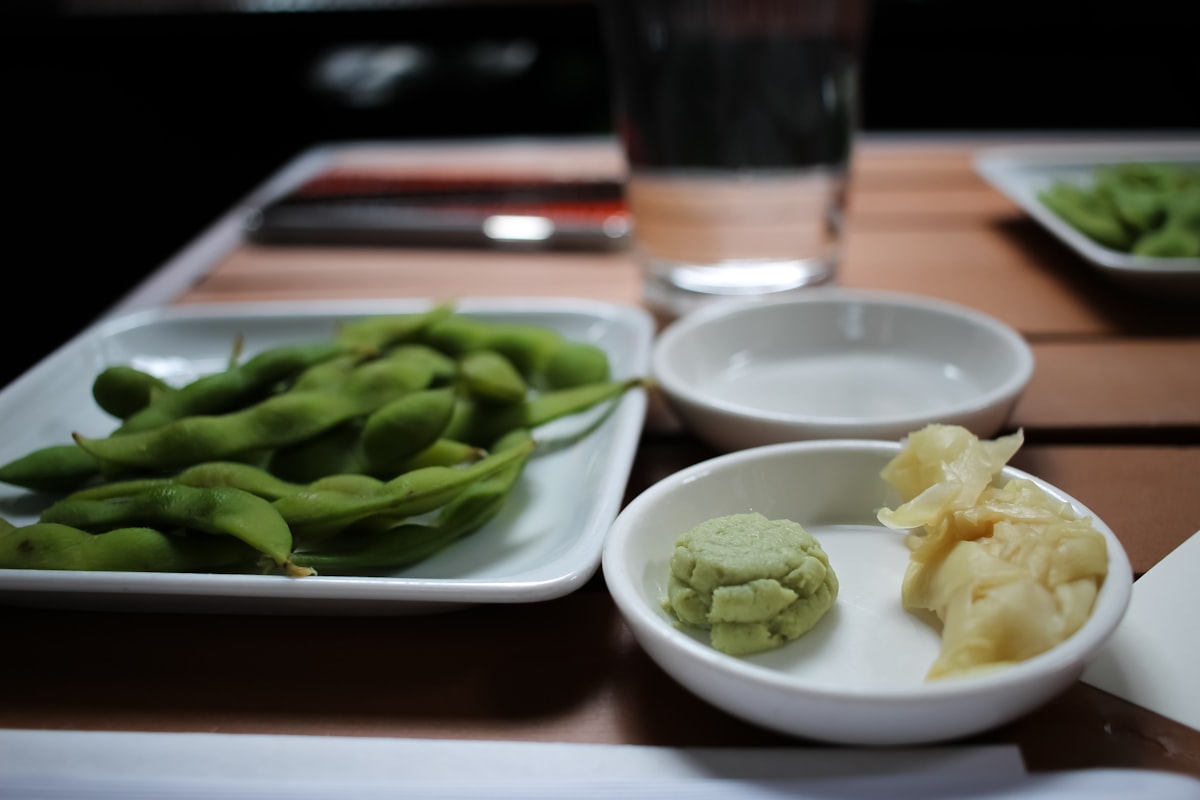 Home reconstructionBenihana Edamame: Salt the Pods, Not the WaterYou do not eat the pod, so salt in the cooking water is thrown away. It goes on afterwards, where your mouth meets it.
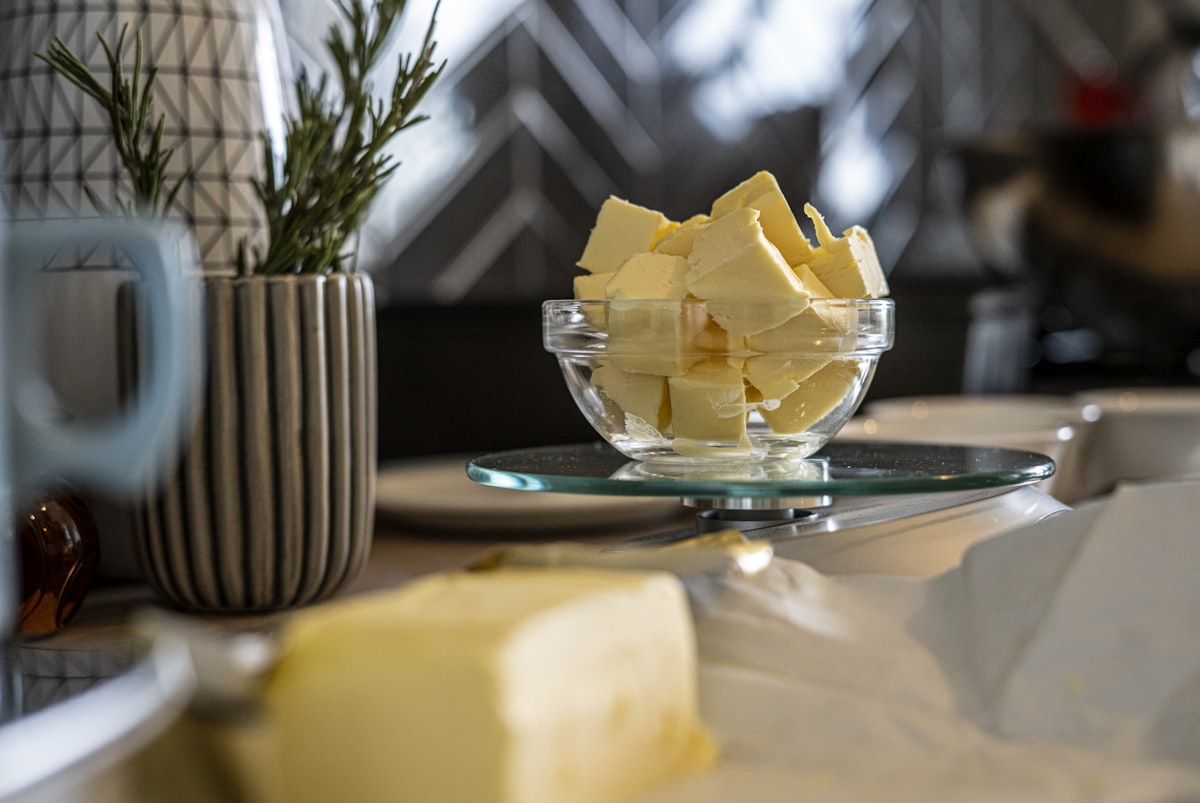 Home reconstructionBenihana Garlic Butter: Roast the Garlic or It Tastes RawRaw garlic in butter is harsh and stays harsh. Roasting turns it sweet, and a day in the fridge does the rest.
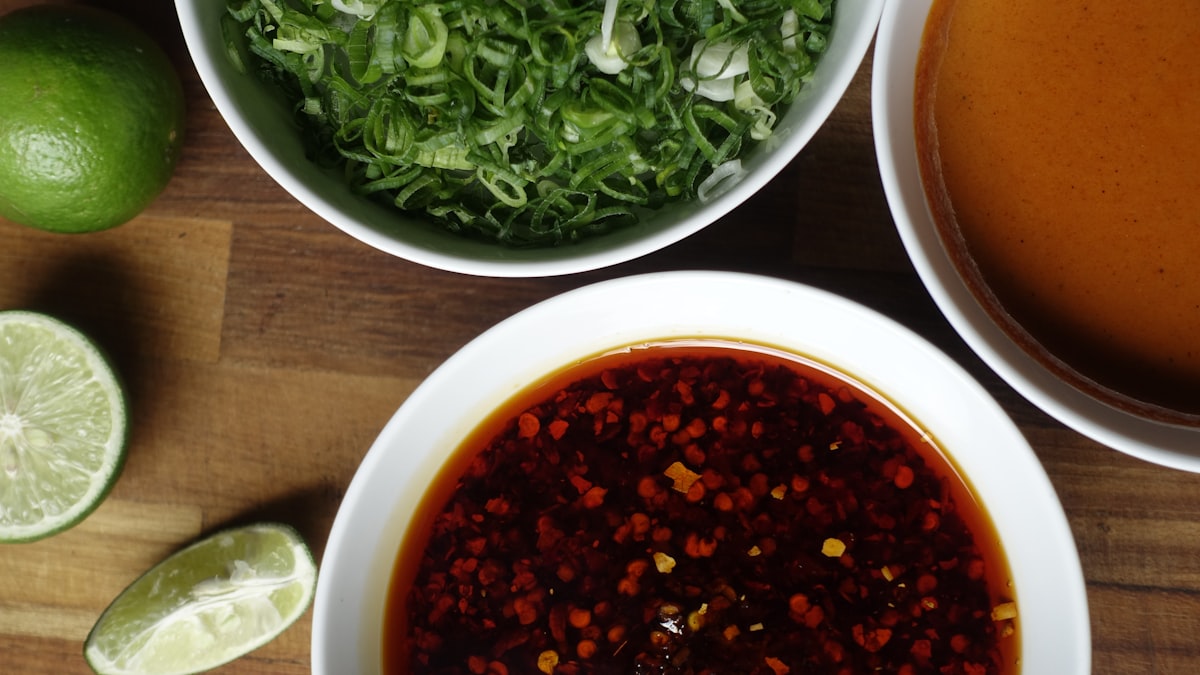 Home reconstructionBenihana Ginger Sauce: Onion Is the Main Ingredient, Not GingerIt is named after the ginger and built on raw onion. Get that ratio backwards and it is inedibly hot.